
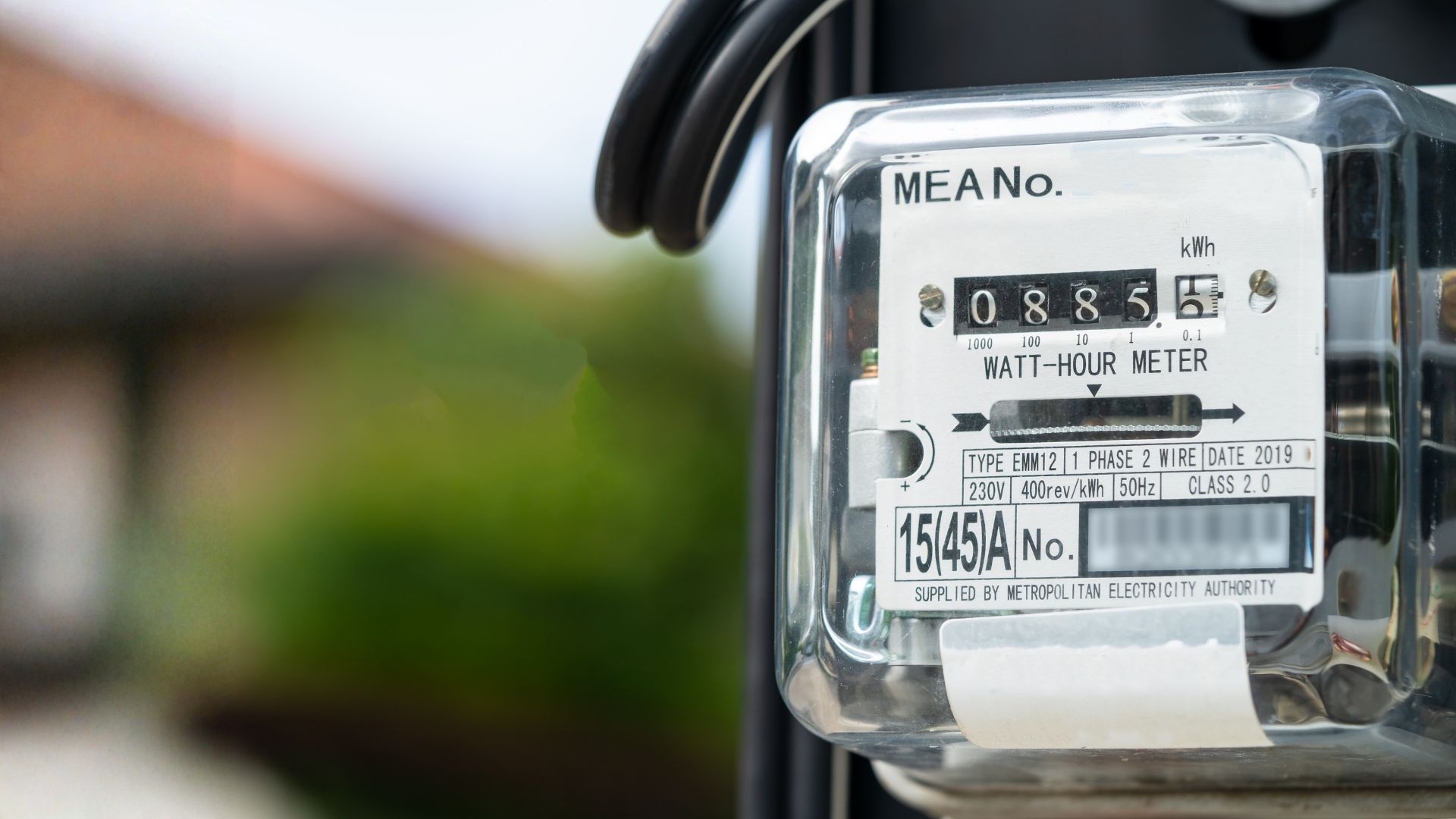
The draft CEA (Installation and Operation of Meters) Amendment Regulations 2026 reveal how smart meters are evolving from billing devices into infrastructure for distribution reform and electricity market participation.
- By Mayuri Singh and Nishant Saxena
India’s smart-meter rollout has entered a phase where regulatory fine-tuning is beginning to shape how the system will function on the ground. The latest draft amendment to the metering regulations offers an early glimpse of that transition. The proposed changes appear technical, yet they reflect a subtle shift in the design of distribution sector reforms.
Regulatory language influences more than compliance requirements. It frames how policy intent is interpreted across utilities, regulators, technology providers, and consumers. Minor adjustments in wording signal the operational direction of reforms even before large structural changes appear in the sector.
The latest draft amendment introduces several such signals. The removal of explicit language requiring smart meters to operate in prepayment mode, the introduction of provisions for prepayment meters in areas without communication networks, and new clarifications on metering arrangements for open-access consumers collectively point toward a more operational phase of reform.
These proposed changes can be read at two levels. From a regulatory and sector perspective, they clarify how metering frameworks are expected to function as distribution reforms move deeper into implementation. From strategic communications perspective, they also signal how policymakers are recalibrating the role of digital metering infrastructure within India’s evolving electricity markets.
The emphasis is gradually moving from the installation of devices to the architecture of the digital infrastructure that will support future electricity markets.
Key Changes in the Draft Amendment
The amendment introduces a number of targeted refinements within the metering framework.
- The earlier requirement mandating that smart meters operate in prepayment mode has been removed.
- Smart meters continue to be mandatory for consumers located in areas with communication networks, within timelines determined by the Central Government.
- Advanced Metering Infrastructure (AMI) systems must include prepayment functionality along with interoperability capabilities.
- Prepayment meters may be deployed in areas without communication networks with the approval of the State Electricity Regulatory Commission.
- Smart meters will serve as interface meters for open-access consumers connected at voltage levels up to 650 volts, while the regulatory treatment of open-access metering across voltage categories has been clarified.
These adjustments do not alter the overall trajectory of India’s smart-meter rollout. The changes refine how the infrastructure will operate within the broader distribution ecosystem.
Repositioning the Role of Prepayment
The most visible change in the amendment relates to the treatment of prepayment functionality.
Earlier provisions required smart meters installed in communication-enabled areas to operate in prepayment mode. The draft amendment removes that explicit requirement while directing that AMI must support prepayment functionality at the system level.
This adjustment reflects a shift in regulatory thinking. Prepayment is now embedded within the digital capabilities of the metering system rather than tied directly to the operation of every installed device.
The revised formulation provides distribution utilities with greater operational flexibility. Utilities retain the ability to implement prepaid billing across specific consumer categories, particularly where payment discipline remains a challenge. At the same time, utilities can design billing structures that respond to evolving consumer expectations and regulatory priorities.
The regulatory framework therefore recognises prepayment as a system capability within the digital infrastructure of the distribution network.
Metering Architecture and Emerging Electricity Markets
The draft amendment also provides insight into how metering architecture is expected to support the next stage of market development within the power sector.
One provision recognises smart meters as interface meters for open-access consumers connected at voltage levels up to 650 volts. While this clarification appears technical, it reflects broader developments within electricity markets.
Distributed energy resources are expanding steadily across the country. Rooftop solar installations, local energy transactions, and third-party supply arrangements are gradually shifting electricity flows closer to the distribution network. These developments require metering systems capable of accurately recording bidirectional energy flows at the consumer level.
Recognising smart meters as interface meters simplifies the measurement framework for these transactions. It allows electricity injections and withdrawals to be recorded at the consumer interface while supporting emerging participation models within decentralised electricity systems.
The amendment therefore aligns metering regulations with the operational requirements of a more distributed and data-driven power sector.
Interoperability and the Long-Term Value of AMI Systems
The draft amendment also emphasises interoperability within AMI systems.
India’s smart-meter programme involves the deployment of millions of meters across multiple states and distribution companies. The long-term value of these deployments depends on the ability of the underlying systems to integrate with evolving technologies, regulatory frameworks, and service providers.
Interoperability requirements address a concern frequently raised within the sector regarding vendor lock-in and the sustainability of proprietary technology ecosystems. Ensuring that metering platforms remain open and adaptable strengthens their usefulness as digital infrastructure rather than isolated hardware deployments.
AMI systems therefore function as foundational platforms for data exchange, consumer services, and system management within the distribution network.
Regulatory Flexibility and Deployment Realities
The amendment also reflects a growing acknowledgement of the practical conditions under which smart-meter deployment is taking place.
Digital communication infrastructure remains uneven across different regions of the country. Continuous connectivity between meters and utility systems may remain difficult in remote and rural areas.
Allowing the deployment of prepayment meters in areas without communication networks introduces a measure of regulatory flexibility that accommodates these realities. Distribution utilities can continue expanding metering coverage without waiting for uniform communication infrastructure to develop across every service area.
Such flexibility becomes particularly relevant in a programme operating at national scale. Under the Revamped Distribution Sector Scheme, tens of millions of smart meters have already been sanctioned across states, with deployment progress varying widely depending on local infrastructure conditions.
Regulatory provisions that recognise these differences help sustain the pace of implementation.
Communication and Public Acceptance in Infrastructure Reforms
Infrastructure reforms that interact directly with consumers often extend beyond regulatory design and technological capability.
Smart-meter deployments have encountered consumer resistance in several states, particularly where the transition has been associated with prepaid billing systems. Concerns related to billing transparency, service continuity, and the possibility of disconnection have influenced public perception of the programme.
In such contexts, the way reforms are communicated becomes an important element of implementation strategy. Regulatory language sets the tone for how utilities present changes to consumers and how policymakers explain the objectives of reform.
The revised regulatory formulation provides greater scope for utilities and regulators to frame the smart-meter transition in terms of efficiency, transparency, and service improvement. Clear communication around safeguards, billing practices, and consumer protections can help strengthen public confidence as the programme expands.
Infrastructure reform therefore involves both engineering systems and the cultivation of public trust in those systems.
A More Operational Phase of Distribution Reform
Electricity distribution reforms in India have frequently begun with ambitious policy announcements. Over time, the challenge shifts toward building the institutional and technological systems required to support those announcements.
The latest draft amendment reflects that operational phase of reform.
Three elements illustrate this transition clearly. The recalibration of language around prepayment functionality, the recognition of deployment challenges in areas without communication networks, and the clarification of metering architecture for open-access consumers all point toward a regulatory framework that is adapting to implementation realities.
Taken together, these developments indicate how regulatory fine tuning and strategic signalling are increasingly shaping the next phase of power sector reforms.
As the sector moves toward greater decentralisation, digitalisation and consumer participation, metering infrastructure will form the foundation on which future electricity markets operate. The draft amendment therefore offers insight into how the systems supporting those markets are beginning to take shape across utilities, regulators, and consumers.
Will smart meters ultimately reshape retail electricity markets in India, or remain primarily a utility management tool?
______________________
Also read: Carbon Markets, Familiar Architecture
The Fuel Risk Power Purchase Agreements Cannot Absorb
The Risk No Project Model Captures: Community Interpretation