

West Asia’s escalation is not just an energy shock. It is a high stakes communications test for governments, markets, and India’s strategic autonomy.
The recent escalation between United States, Israel and Iran, reportedly under the banner of Operation Epic Fury, marks more than a military flashpoint. It signals a communications battlefield layered over an energy chokepoint. For countries like India, and for institutions operating in energy and trade ecosystems, this is a moment where narrative discipline and energy realism must travel together.
At Comm’fident, we see three simultaneous theatres unfolding. Military escalation. Energy market instability. Information disorder.
Each requires a different communication grammar. Together, they demand strategic coherence.
The Strait that Powers Asia
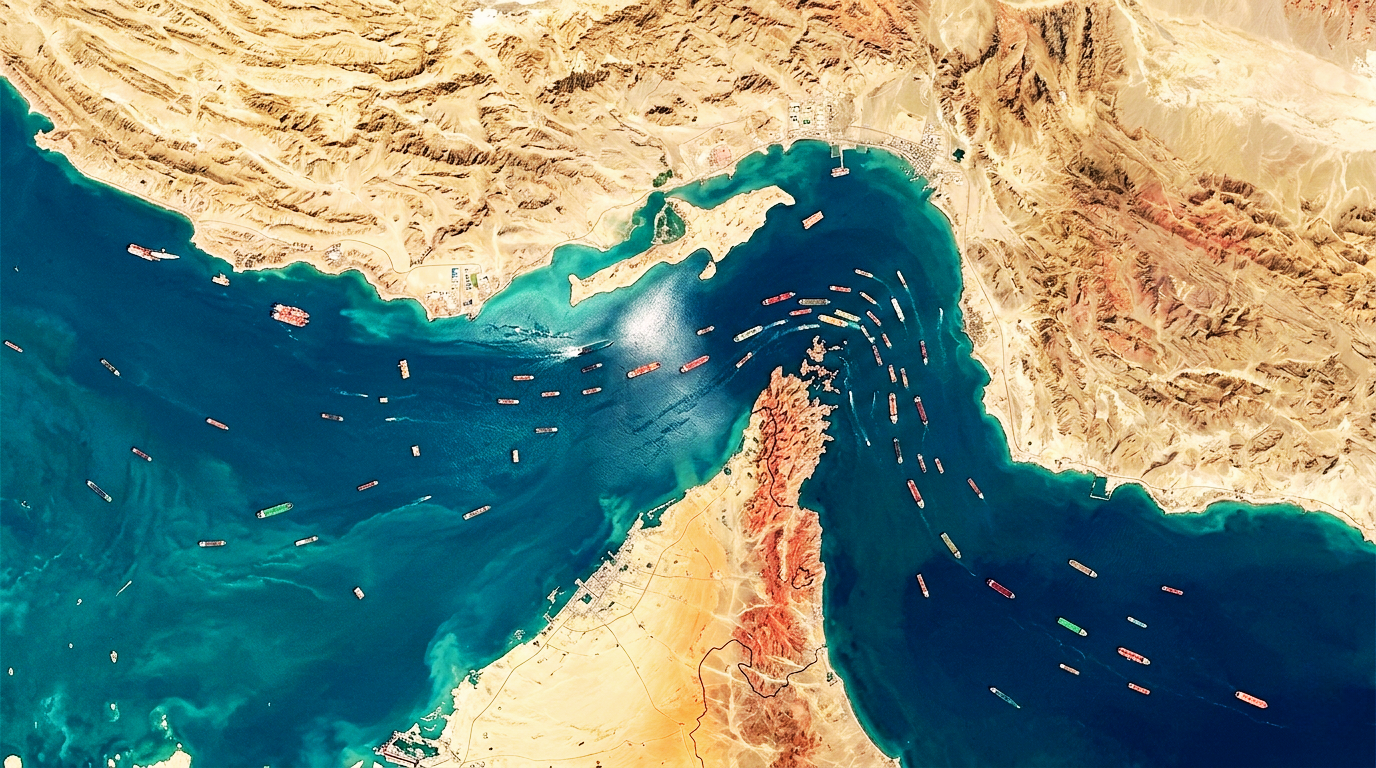
The Strait of Hormuz carries roughly a fifth to a quarter of global crude flows. For South Asia, the dependency is sharper. Around 40 per cent of the crude consumed by India, China, Japan and South Korea transits this narrow maritime corridor. India imports close to 90 per cent of its crude. Between 2.5 and 2.7 million barrels per day of Indian imports, largely from Kuwait, Saudi Arabia, Iraq and the UAE, move through these waters.
When Iran signals possible disruption, even through radio warnings to passing vessels, markets do not wait for confirmation. Insurance premiums spike. Freight rates climb. Prices move before supply does. A recent briefing by a think tank highlights that shipping insurance rose nearly 50 per cent overnight. If Iran’s 3.3 million barrels per day are materially disrupted, crude could rise 9 to 15 per cent from a $70 baseline.
For India, the first impact is price, not volume. But price is political. Every $10 per barrel rise expands the import bill by roughly $13 to $14 billion. It widens the current account deficit. It pressures the rupee. It transmits into inflation.
This is precisely where communications must resist drama and privilege data.
Narrative Framing and the Risk of Mission Creep
US and Israeli leaders have framed the strikes as defensive measures against nuclear escalation and regime brutality. The rhetoric has increasingly leaned toward freedom appeals directed at the Iranian public. That transition from non proliferation to regime change framing builds moral argumentation, but it also raises expectations.
If civilian casualty narratives gain traction, especially in an environment where internet connectivity in Iran has reportedly dropped to minimal levels, the information vacuum becomes fertile ground for disinformation. Allegations of school strikes, whether verified or not, quickly travel across digital ecosystems.
When information asymmetry meets ideological polarization, the result is not clarity. It is amplification.
For governments and media, this means resisting the temptation of binary storytelling. Framing this as freedom versus aggression, or imperialism versus resistance, simplifies what is structurally complex. Strategic communications should focus on verifiable developments, legal thresholds, and humanitarian impact, not rhetorical escalation.
Energy Security Messaging. Avoiding Panic Without Downplaying Risk
Threats to close the Strait of Hormuz immediately trigger energy apocalypse narratives. Markets respond to perception as much as to supply.
Governments must communicate three layers simultaneously.
First, diversification. India imports from over 40 countries, including the US, West Africa, Russia and Latin America. The pivot away from Russian barrels under geopolitical pressure has already shifted exposure toward Gulf suppliers. That nuance matters. This is not a single supplier shock. It is a corridor risk.
Second, buffers. Strategic petroleum reserves, production adjustments by OPEC, and rerouting possibilities need to be articulated clearly. Overconfidence can backfire if shortages materialize. Vague reassurances can fuel hoarding.
Third, transition logic. Elevated oil prices reinforce the urgency of electrification, renewable scale up, and alternative fuels. Which in other words means clean energy acceleration is no longer just climate policy. It is strategic insulation.
Communications should therefore connect the present crisis to long term structural reform, without appearing opportunistic.
Alliance Narratives and Geopolitical Silos
The conflict has exposed narrative divergence across major powers. Russia and China have criticized the strikes as imperial overreach. European actors have urged restraint. Direct appeals from Washington to the Iranian public bypass traditional diplomatic choreography.
For countries like India, which operate on a principle of strategic autonomy, this fragmentation is not abstract. It is operational. India maintains deep ties with Israel, historical relations with Iran, and expanding trade with the Gulf Cooperation Council. Bilateral trade with Middle Eastern partners exceeds $117 billion, with the UAE accounting for roughly $100 billion.
When Dubai’s image as a politically insulated trade hub is unsettled, the reputational ripple effects travel far beyond oil.
Strategic communications in such a landscape must be calibrated. Public statements should emphasize de escalation, maritime safety, and economic stability. Privately, back channel diplomacy must stay active. The message must signal neutrality without ambiguity, engagement without endorsement.
Misinformation and Media Responsibility
In crises, velocity outpaces verification. Deepfakes, recycled footage, and selective casualty counts erode trust.
Journalists and crisis teams should prioritize satellite imagery of shipping lanes, port activity, and tanker traffic rather than inflammatory rhetoric. Energy firms must issue transparent updates on rerouting decisions and inventory positions. Silence invites speculation. Overstatement invites scrutiny.
Credibility becomes the most valuable commodity in volatile markets.
Beyond Oil. Trade, Inflation, and the Clean Transition
The ripple effects extend into trade. Iran accounts for roughly a quarter of India’s basmati rice exports and significant tea volumes. Middle East partners represent a major trade corridor under agreements such as the India UAE Comprehensive Economic Partnership Agreement.
Higher oil prices increase dollar demand. A weaker rupee raises import costs across sectors. Renewable supply chains, including critical minerals and clean energy components that move through Gulf logistics hubs, face disruption.
Yet crises also compress timelines. As energy analyst voices have noted, this moment could accelerate electrification of transport, ethanol blending, and nuclear expansion debates. Strategic communications should frame this as resilience building, not reactive policy making.
The Opportunity for Strategic Communications
In volatile geopolitical moments, communication is not a supplement to policy. It shapes economic behavior, alliance cohesion, and public confidence.
For India, the narrative must integrate four principles.
Strategic autonomy remains intact. Energy diversification is active. Clean transition is urgent. Regional stability is in collective interest.
For energy companies, transparency over tanker routes and supply adjustments builds trust. For media, disciplined verification sustains credibility. For policymakers, measured messaging prevents panic.
The West Asia escalation yet again tells that energy security is never purely technical. It is political, economic, and communicative. In moments like this, those who control the narrative do not merely influence perception. They influence markets, alliances, and ultimately, resilience.
No responses yet